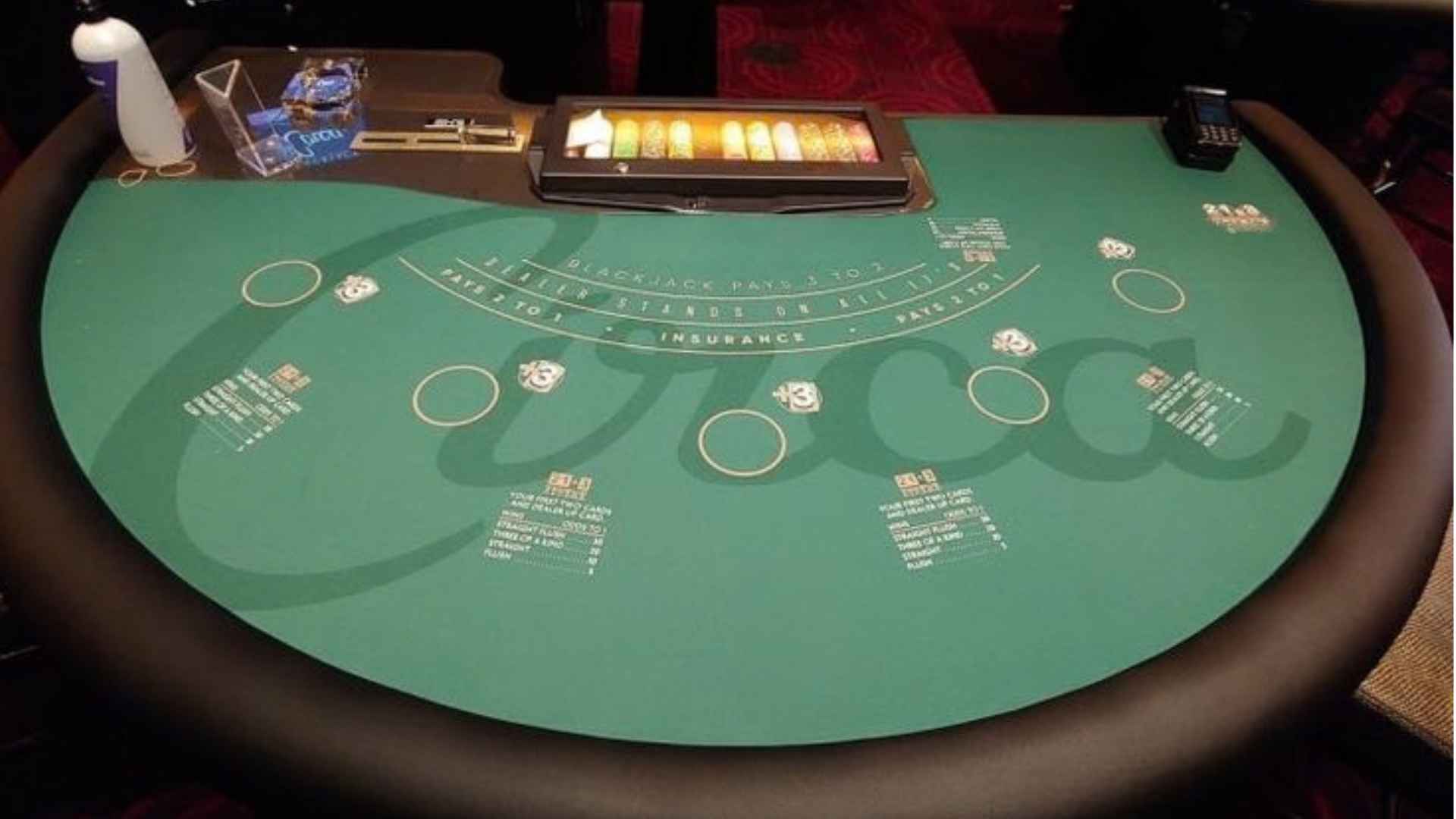
Card games that incorporate a slow reveal mechanic offer an unmatched level of tension and excitement on the gaming floor. Succeeding in these high-stakes environments requires more than just understanding the basic rules of the game. Players must implement structured preparation and deliberate strategic foresight to optimize their table decisions over time.
The Role of Tactical Preparation
Establishing a comprehensive plan before stepping up to the table represents the foundational step for any serious enthusiast. Analytical players closely monitor historical indicators and record trend patterns to make objective decisions during critical moments. This deliberate approach protects a player from relying purely on short-term luck or emotional impulses.
Furthermore, managing table variables such as betting limits and dealer pacing ensures a consistent environment for execution. By maintaining a highly disciplined operational framework, individuals can confidently navigate natural game fluctuations. This baseline level of preparation separates casual participants from truly proficient strategists.
Managing Psychological Equilibrium
The intentional slowdown of card disclosure is specifically engineered to build dramatic suspense and test emotional stability. Maintaining absolute composure during these intense moments is vital for executing long-term tactical choices. Successful individuals remain completely detached from individual round outcomes and focus on repeatable routines instead.
Developing a strict personal timeline helps safeguard a participant's mental endurance amidst surrounding floor distractions. Standardizing the physical handling process prevents extreme psychological highs and lows from clouding situational awareness. Many players utilize specialized platforms like login situs m88 to practice systematic analysis in real-time environments.
Refining Observational Skills
Attentive participants treat each card reveal as an unfolding narrative rather than a simple automated transaction. By carefully scrutinizing early card margins and subtle markings, players can anticipate outcomes before the final values appear. This refined observation provides a significant mental edge that rapid automated versions rarely offer.
Additionally, monitoring how fellow competitors respond to early indicators yields valuable insights into table dynamics. Interpreting these subtle behavioral changes allows a player to adjust their tactical approach accordingly. Over extended gaming sessions, these small observation advantages accumulate into highly sustainable growth.
Optimizing Table Selection and Strategy
Choosing the correct environment plays a major role in how effectively a structured plan can be executed. Savvy enthusiasts prioritize quiet table settings that allow for deep concentration and precise handling. Conversely, highly active environments might introduce unnecessary social pressures that disrupt a disciplined baseline.
Ultimately, long-term proficiency develops from a combination of technical knowledge and strict behavioral control. Evaluating personal strengths and adjusting strategies to match specific table conditions ensures stable execution. Commitment to continuous learning and practice transforms a casual hobby into a deeply rewarding analytical pursuit.