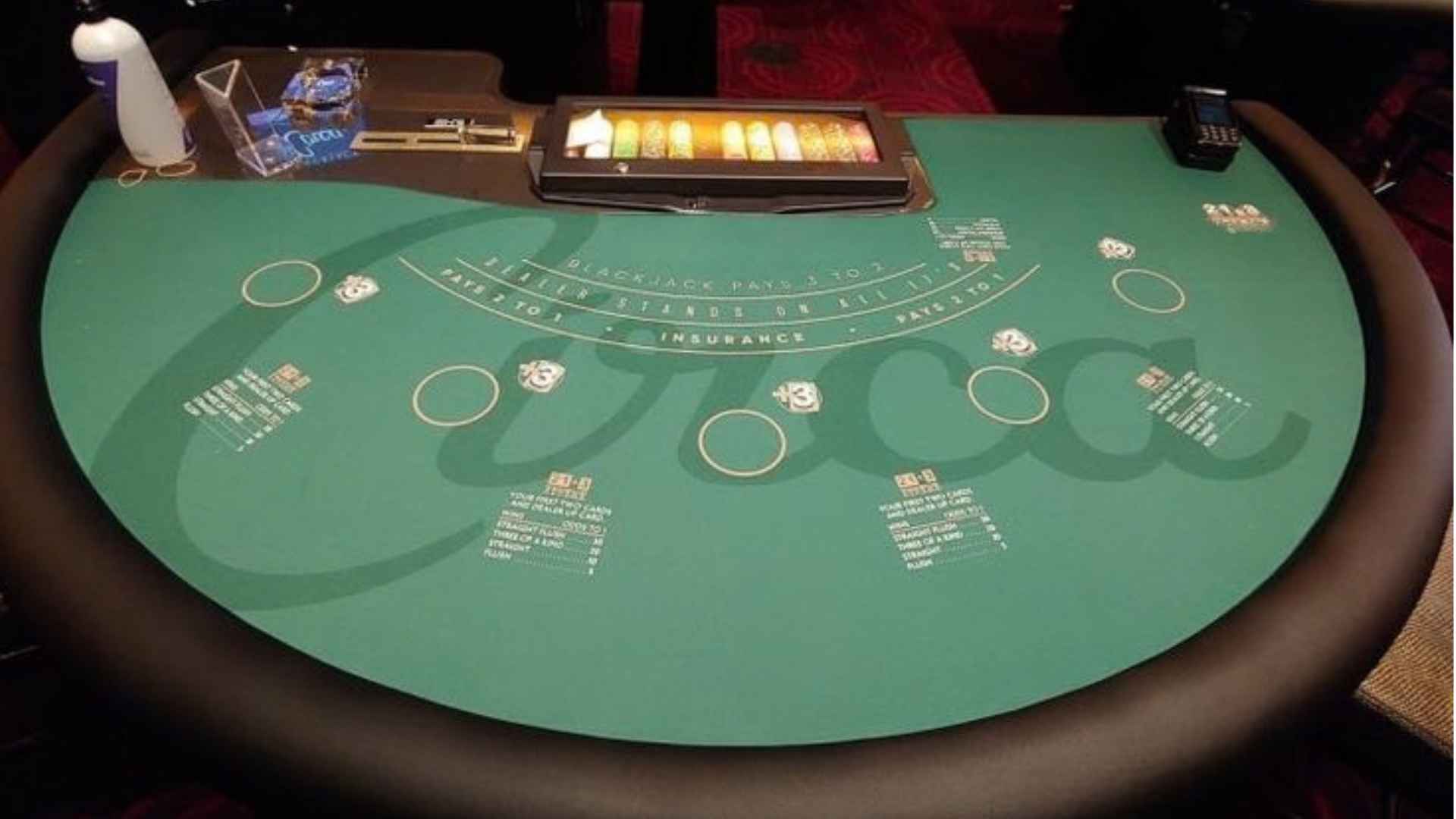
Poker is a game where strategy and psychology constantly intersect, requiring players to make high-stakes decisions under intense uncertainty. However, when the psychological aversion to risk outweighs a player's strategic objectives, their overall approach often shifts dramatically. Understanding why fear of losing causes players to adopt a defensive, passive mindset is essential for anyone aiming to improve their decision-making at the table.
The Psychology of Loss Aversion in Card Games
Behavioral economists have long recognized that human beings feel the pain of a loss far more intensely than the pleasure of an equivalent gain. At the poker table, this emotional asymmetry manifests as loss aversion, driving players to prioritize protecting their chips over maximizing potential value. Rather than making calculated bets, anxious individuals focus almost entirely on minimizing potential regrets.
This emotional defense mechanism alters how a player evaluates risk during crucial hands. When fear dictates action, players tend to view every raise from an opponent as a major threat rather than a strategic opportunity. Consequently, they abandon aggressive tactics in favor of safer, reactive moves like checking or calling.
How Risk Avoidance Promotes Passive Betting Lines
Fear of losing directly shapes betting patterns, causing players to step back from controlling the pot. Instead of betting to build value or force opponents into tough decisions, risk-averse players rely heavily on passive calling. This defensive behavior allows them to stay in the hand without taking responsibility for driving the action.
By repeatedly choosing passive lines, hesitant players surrender the initiative to their opponents. Aggressive rivals quickly notice this reluctance to raise and begin exploiting it by firing frequent bluffs. Over time, passive players end up losing chips steadily through small pots rather than risking them in larger, well-calculated confrontations.
The Impact of Fear on Value Extraction and Bluffing
Extracting maximum value from strong hands requires a willingness to bet aggressively, even when there is a small chance of being beaten. Fearful players, however, often check strong holdings out of concern that a turn or river card might derail their hand. This hesitation prevents them from building substantial pots when they hold a mathematical advantage.
Similarly, fear eliminates bluffing from a player's arsenal entirely. Executing a successful bluff requires confidence and a willingness to embrace short-term risk for long-term profit. When evaluating options like an m88 bet, players who are paralyzed by fear rarely find the courage to represent strong hands, making their play predictable and easy to read.
Overcoming Anxiety to Restore Balanced Gameplay
Transitioning away from passive play requires a fundamental mindset shift regarding how outcomes are evaluated. Successful competitors judge their decisions based on expected value and mathematical correctness rather than short-term results. Recognizing that losing individual hands is an inherent part of the process helps reduce emotional anxiety.
Building confidence through study and bankroll management also reduces the psychological burden of financial risk. Playing within appropriate stakes ensures that losing a single pot does not trigger panic or defensive play. By managing risk effectively, players can maintain an aggressive, balanced strategy without letting fear dictate their moves.