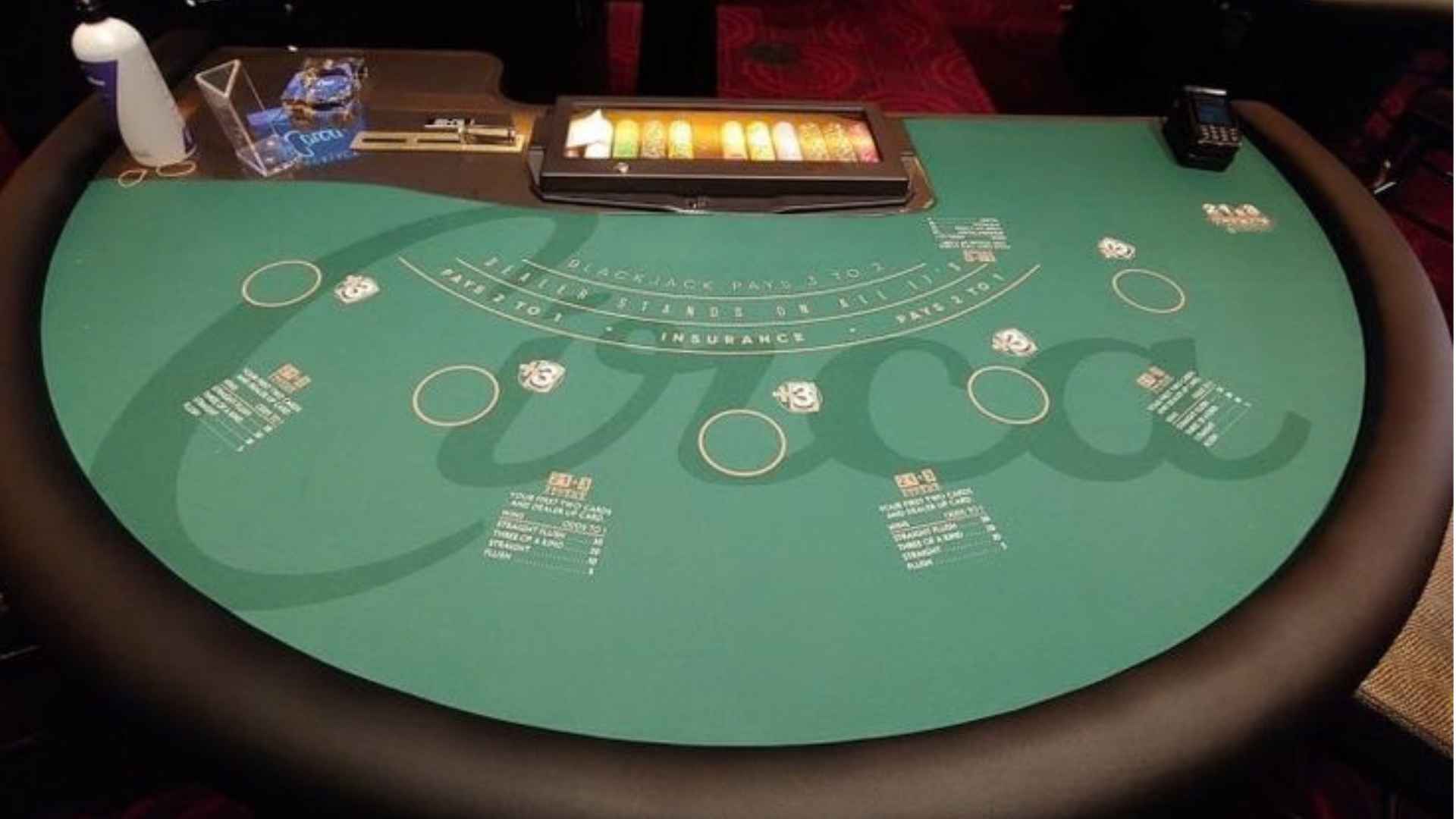
Player satisfaction in interactive media relies heavily on how game systems distribute incentives over time. Variable reward patterns have emerged as a dominant design framework because they introduce uncertainty and heightened anticipation into ordinary activities. When implemented thoughtfully, these mechanisms keep experiences fresh without overwhelming the audience.
Understanding the Psychology of Variable Incentives
Variable reward structures function by varying the timing, frequency, or size of a prize rather than offering static payouts. This unpredictability stimulates cognitive interest and prevents gameplay routines from becoming monotonous. Players naturally feel a sense of excitement when uncovering an unexpected outcome after completing a task.
Behavioral research suggests that uncertain outcomes evoke stronger emotional responses than predictable routines. When individuals know that a valuable item could drop at any moment, their enthusiasm remains high. Consequently, modern game loops rely on these dynamic schedules to maintain active involvement.
The Core Benefits for Long-Term User Satisfaction
One primary advantage of non-linear payout systems is the preservation of discovery throughout extended play sessions. Fixed rewards often lead to early burnout once the player calculates the exact effort required for every return. Introducing surprise elements keeps the progression feel dynamic and meaningful.
Furthermore, unpredictable payouts create shared moments of celebration within gaming communities. Gamers often enjoy discussing unique item drops or rare achievements with peers on news portals like boss toto. These positive social interactions further enhance overall user fulfillment and platform loyalty.
Striking the Balance Between Uncertainty and Fairness
Despite their effectiveness, variable rewards must be carefully balanced with guaranteed progression milestones to avoid player fatigue. If outcomes feel purely random without rewarding skill or effort, users can become frustrated. Successful developers integrate bad-luck protection mechanisms to ensure continuous forward movement.
Combining baseline steady rewards with sporadic high-value bonuses creates a supportive safety net for players. This design strategy respects the user's invested time while retaining the thrill of unexpected success. As a result, players maintain a positive emotional connection with the experience.
Future Trends in Dynamic Reward Calibration
As analytics technology advances, designers are experimenting with adaptive systems that modify reward frequencies based on individual playstyles. Tailoring the distribution rate allows platforms to optimize engagement while mitigating frustration. Personalized schedules ensure that different user demographics find equal enjoyment in the game loop.
Ultimately, the thoughtful application of variable reward patterns remains a cornerstone of modern game architecture. By prioritizing fairness, emotional resonance, and balanced progression, creators can build sustainable environments that maximize player satisfaction.